

Expertise

Commercial Contracts & Compliance

Draft, review and negotiate commercial agreements with the business objective, obligations and risks in view.

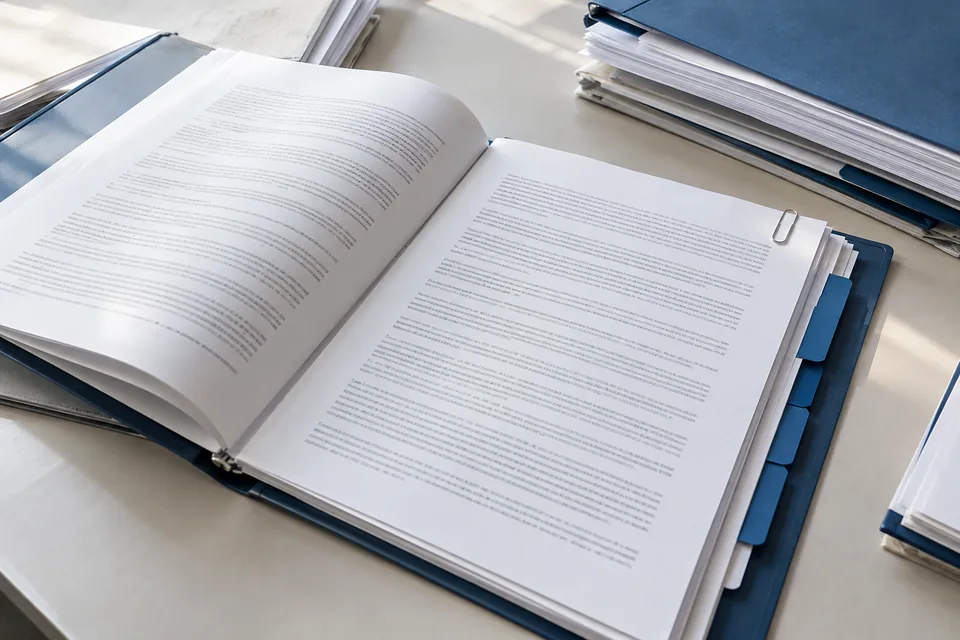
Illustrative commercial contracts materials

Before the business commits.

A supplier sends its standard terms. A customer wants to change the payment milestones. A business partner asks for an exclusivity commitment. The immediate question is whether the agreement reflects what the business can deliver, accept and enforce.

NLF assists Philippine businesses with commercial contract drafting, review and negotiation. The work connects the wording to signing authority, operational responsibilities and the records needed if performance is later disputed.

Illustrative commercial documents arranged for contract and compliance review

Scope of assistance

From a proposed deal to workable terms.

Drafting & negotiation

Prepare or revise commercial agreements around the agreed deliverables, payment structure and allocation of responsibilities. Identify provisions to negotiate and explain the practical effect of proposed changes.

Contract drafting ↗


Review before signing

Review a counterparty’s draft, amendments and incorporated documents together. Flag unclear obligations, one-sided exposure and terms that do not match the commercial understanding.

Authority & compliance

Examine who will sign, what approvals are needed and whether the transaction raises corporate, tax, employment or data-handling issues requiring a separate review.

Corporate compliance ↗

The engagement defines the documents, review rounds, negotiation support and related compliance work included. A contract review is not automatically a full business or regulatory audit.

Contract controls

What the terms need to resolve.

Deliverables, acceptance & payment

What must each party deliver, by when, and against which acceptance criteria? Connect payment milestones, invoicing, taxes, deductions and changes in scope so that the parties can administer the agreement.

Liability, warranties & protection

Review warranties, indemnities, liability limits, confidentiality and ownership or use of work product. Assess how the proposed allocation of risk relates to the transaction and applicable law.

Renewal, exit & disputes

Identify renewal dates, termination grounds, notice requirements, opportunities to remedy a breach and obligations that continue after exit. Check the governing-law and dispute-resolution provisions before a disagreement arises.

Authority, signatures & records

Check the contracting parties and signatories’ authority. Keep the final agreement, schedules, approvals and amendments together, with records of delivery, acceptance and notices.

Review sequence

The decision comes before the drafting.

  1. Understand the transaction

    Identify the parties, business objective, signing deadline and terms already agreed. Start with the latest draft and its attachments.

  2. Prioritize the issues

    Distinguish legal concerns from commercial choices. Set out proposed revisions and points requiring your instructions.

  3. Prepare the next version

    Depending on scope, provide comments, a marked-up draft or a new agreement, with negotiation support where included.

  4. Prepare for implementation

    Identify signing requirements, unresolved points and responsibilities after execution. The business decides whether to proceed on the agreed terms.

Practical questions

Before you send the draft.

What should I provide for a review?

The latest editable draft, schedules, earlier agreements being amended and a short explanation of the transaction. Identify the other parties, your principal concerns and the actual deadline. Begin the inquiry with a brief overview; detailed records can follow after screening.

Does every contract need notarization?

No. The required form depends on the transaction. The Civil Code recognizes contracts subject to their essential requisites, while particular agreements have additional requirements for validity, enforceability or proof. Notarization does not cure every defect in consent, authority or terms. See Civil Code Articles 1318 and 1356–1358.

Can we use an electronic contract?

Philippine law recognizes electronic contracts, subject to applicable requirements. Authentication, integrity, signing authority and any transaction-specific formalities still matter. An electronic format alone does not resolve those questions. See Republic Act No. 8792, Sections 7, 8 and 16.

What if the agreement is already signed or breached?

A review can still assess the wording, performance records, notices and available options. Share the complete agreement and relevant correspondence before deciding on termination, withholding payment or a demand. A contested matter may require a separate business dispute engagement.

Philippine legal context

Terms operate within the law.

Freedom to agree is subject to legal limits. The transaction, applicable mandatory rules and the parties’ authority must be considered alongside the commercial terms. Relevant starting points are the Civil Code’s provisions on contracts and the Electronic Commerce Act.

People

Relevant counsel and support.

Assignments follow the firm’s assessment of fit, conflicts and scope.

Begin with the issue

Discuss the agreement and your priorities.

Discuss a Contract or Compliance Matter